

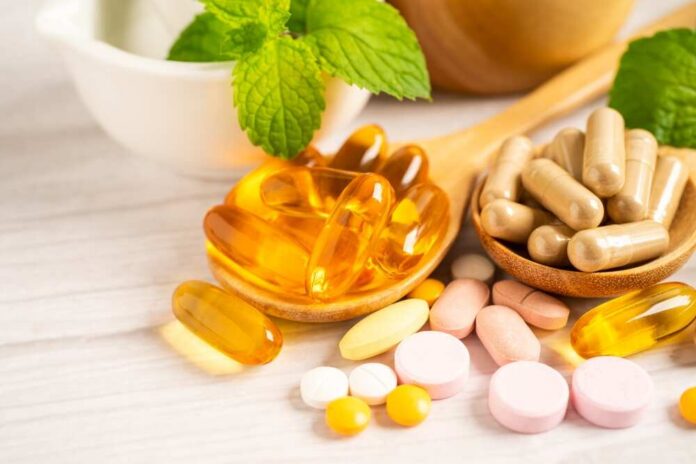
The vitamin supplements you thought protected you might actually shield your cancer cells from the very chemotherapy meant to destroy them.
Story Highlights
- Antioxidants like vitamins A, C, and E may prevent ovarian clear cell carcinoma by 45-55% in high-risk women with endometriosis
- Once cancer develops, these same antioxidants can create tumor resistance to chemotherapy by protecting cancer cells from oxidative stress
- Breast cancer studies show antioxidant supplement users during treatment face 41% higher recurrence rates
- Recent research focuses on novel immunotherapies and plant compounds rather than standard antioxidant supplements for established tumors
The Prevention Paradox Nobody Warned You About
Women seeking protection against ovarian cancer face a bewildering contradiction. Early research from 2002 showed compelling evidence that vitamin C supplements exceeding 363 milligrams daily and vitamin E above 75 milligrams could slash epithelial ovarian cancer risk by approximately 55%. For women with endometriosis, who carry elevated oxidative stress from chronic inflammation, antioxidants appeared to offer genuine hope. These compounds neutralize reactive oxygen species that drive malignant transformation, particularly in ovarian clear cell carcinoma, which accounts for roughly 20% of cases linked to endometriosis among the 300,000 women diagnosed globally each year.
The protective mechanism makes biological sense. Antioxidants intercept the cellular damage that accumulates when endometrial tissue grows outside the uterus, creating an inflammatory environment ripe for cancer development. Meta-analyses consistently support vitamin A, flavonoids, and carotenoids as preventive agents. Yet this same protective quality becomes the enemy once tumors establish themselves. Cancer cells hijack antioxidant pathways to shield themselves from the oxidative stress that chemotherapy relies upon to kill them. The double-edged sword cuts deepest when patients continue supplements during treatment, unknowingly undermining their own survival odds.
When Good Cells Go Bad and Antioxidants Switch Sides
Ovarian clear cell carcinoma behaves differently from other cancer subtypes precisely because of its oxidative stress origins. Tumors adapted to high oxidative environments develop tolerance mechanisms that standard cancers lack. When antioxidant supplements flood the system during chemotherapy, they don’t discriminate between healthy cells and malignant ones. The cancer cells, already primed to survive oxidative attacks from their inflammatory birth environment, exploit these nutrients to build resistance. Research from 2021 explicitly warns that antioxidants prove unsuitable for treating established ovarian clear cell carcinomas despite their preventive benefits.
The supplement industry generates billions annually selling antioxidants as health insurance, yet oncologists increasingly view them as chemotherapy saboteurs. Breast cancer data reveals the stakes: women using antioxidant supplements during treatment showed a hazard ratio of 1.41 for recurrence. Similar patterns emerge in ovarian cancer studies, though fewer clinical trials exist specifically for the clear cell subtype. The tension between nutrition advocates promoting dietary interventions and oncologists prioritizing evidence-based chemotherapy creates confusion for patients desperate to help themselves. The science suggests women must choose their timing carefully, using antioxidants for prevention but abandoning them once diagnosis arrives.
What Actually Works When Cancer Takes Hold
Researchers at MIT achieved something remarkable in 2025 that antioxidants never could: curing over 80% of resistant ovarian tumors in mice using IL-12 nanoparticles combined with checkpoint inhibitors. The Wistar Institute identified retinoblastoma protein targets that deplete tumor-supporting macrophages, shrinking tumors without relying on oxidative mechanisms. These advances represent oncology’s pivot away from broad-spectrum supplements toward precision therapies that attack cancer’s specific vulnerabilities. The immunotherapy approach sidesteps the resistance problem entirely by recruiting the immune system rather than depending on oxidative stress to kill cells.
Some natural compounds show promise through different mechanisms than traditional antioxidants. Artemisinin derivatives and paeonol trigger ferroptosis and autophagy in preclinical studies, essentially forcing cancer cells into programmed death through iron-dependent pathways rather than oxidative stress. Kaempferol, a plant compound highlighted by the American Institute for Cancer Research, may enhance treatments through apoptosis rather than ROS quenching. These alternatives remain in early research stages, transitioning from mouse models to human trials. Current meta-analyses confirm that standard vitamins C, D, and E provide no treatment benefit for established ovarian cancers, though the supplement industry’s 50-billion-dollar market continues promoting them.
The Uncomfortable Truth About Taking Control
Common sense suggests that if something prevents disease, it should help treat it. Cancer defies this logic. The evidence demands uncomfortable choices: women at high risk from endometriosis may benefit from antioxidant supplementation, but those same women must abandon these supplements immediately upon diagnosis. Misguided supplement use risks more than wasted money; it potentially delays proven therapies and reduces chemotherapy effectiveness when every percentage point of efficacy matters. The FDA faces pressure to mandate clearer labeling about supplement-chemotherapy interactions, though regulatory action lags behind scientific evidence. Women deserve transparent information about when antioxidants help and when they harm.
The broader shift toward targeted therapies and immunotherapy offers hope beyond the antioxidant dilemma. Oncologists now prioritize WRN inhibition for microsatellite-instability-high tumors and macrophage depletion strategies over nutritional interventions for active disease. Natural products may eventually integrate into treatment protocols if rigorous trials validate their distinct mechanisms, but the consensus remains clear: prevention yes, adjunct therapy no. Until subtype-specific clinical trials prove otherwise, ovarian cancer patients should save their supplement dollars for treatments with established track records. The science respects the complexity that cancer forces upon us, even when the answers aren’t what we hoped to hear.
Sources:
Antioxidants and Ovarian Clear Cell Carcinoma Research
Natural Products in Ovarian Cancer Treatment
MIT Nanoparticle Immunotherapy for Ovarian Tumors
Vitamin Supplementation and Ovarian Cancer Risk
Wistar Institute Retinoblastoma Target Discovery
Antioxidant Supplements and Chemotherapy Interactions
Plant Compounds for Ovarian Cancer Treatment Enhancement