

Your outlook on life might be doing more than lifting your spirits—it could be physically rewiring your body’s inflammatory response and shielding you from stroke damage in ways that bypass traditional medicine entirely.
Story Snapshot
- Stroke survivors with higher optimism showed measurably lower inflammation markers and less physical disability after three months
- Optimists experience 20-30% less pain and 35% reduced cardiovascular risk compared to pessimists
- Positive mental states directly lower cortisol levels, boosting natural killer cells and T-lymphocytes that defend against disease
- Meta-analysis of over 1,600 participants confirms positive activities consistently reduce inflammatory biomarkers linked to chronic illness
When Thinking Sunny Becomes Medicine
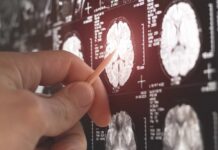
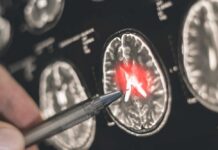
Dr. Yun-Ju Lai analyzed 49 stroke patients at The University of Texas Health Science Center and discovered something pharmaceutical companies can’t bottle. Patients scoring higher on optimism assessments registered lower levels of interleukin-6 and C-reactive protein, the inflammatory culprits that worsen stroke damage. Three months post-stroke, the optimists walked away with measurably less disability. The study, presented at the American Stroke Association’s 2020 conference, wasn’t measuring feel-good platitudes but quantifiable biological markers with direct clinical consequences. Lai’s conclusion cuts through therapeutic fluff: boosting morale isn’t just emotional support, it’s a recovery mechanism.
The Cortisol Connection Nobody Talks About
Chronic stress floods your system with cortisol, which suppresses immunity and triggers low-grade inflammation that silently damages arteries and organs for years. Optimism acts as the biological opposite, a cortisol antidote that researchers at the Norwegian Institute of Public Health confirmed through 25 studies involving more than 1,600 people. Positive activities—gratitude journaling, savoring daily wins—consistently reduced inflammation markers. This isn’t New Age mysticism; it’s endocrinology. When your brain releases endorphins from positive thinking, it signals immune cells to ramp up production of natural killer cells and T-lymphocytes, the front-line defenders against infections and tumors. Pessimists miss this biological upgrade entirely.
Diverse Emotions Pack the Biggest Punch
Happiness alone won’t cut it. Research from 2017 revealed that experiencing a spectrum of positive emotions—joy mixed with awe, contentment blended with pride—reduces systemic inflammation more effectively than one-note cheerfulness. The variety matters because different emotions activate distinct neural pathways that collectively dampen inflammatory responses. A 2014 national study tied daily positive events to lower inflammation, but the Norwegian meta-analysis cautioned the effects remain modest and mechanisms uncertain. Still, even slight reductions in C-reactive protein and interleukin-6 translate to real-world outcomes: shorter hospital stays, better vaccine responses, and cardiovascular risk slashed by over a third in optimists compared to their gloomy counterparts.
What Pessimism Costs Your Body
Mayo Clinic researchers documented the flip side: pessimism strongly correlates with elevated inflammation and heart disease risk. The biological toll isn’t abstract—it’s measurable in blood tests and hospital readmission rates. Optimists recover from illness faster, require fewer interventions, and report pain levels 20 to 30 percent lower than pessimists facing identical conditions. The data suggests your mental outlook functions as a dimmer switch on your body’s inflammatory furnace. Turn it toward hope, and inflammation dials down; let it drift toward negativity, and chronic disease risk climbs. This dynamic holds across stroke recovery, immune defense, and long-term wellness, positioning optimism as a modifiable health factor with economic ripple effects through reduced healthcare costs.
The Limits Science Still Faces
Lai’s stroke study involved just 49 patients, a preliminary sample that limits sweeping conclusions. The Norwegian meta-analysis labeled effects “slight,” and researchers admit uncertainty about exact biological pathways and whether benefits endure over decades. Tumor necrosis factor alpha, another inflammatory marker, didn’t budge in the stroke study, hinting optimism’s reach has boundaries. Debates persist on whether positive psychology interventions deliver lasting immune improvements or fade without sustained practice. Yet cross-verified findings from academic institutions, peer-reviewed conferences, and clinical trials consistently link optimism to lower interleukin-6 and C-reactive protein. The science isn’t settled on longevity, but the case for short-term gains—faster stroke recovery, enhanced vaccine efficacy, lower pain—rests on solid ground.
Sources:
How Optimism Affects Physical Health
Optimism Can Lower Inflammation, New Research Finds
Optimism Reduces Stroke Severity, Inflammation
The Role of Positive Psychology in Enhancing Immune Function
Daily Positive Events and Inflammation
A Diverse Spectrum of Positive Emotions Reduces Inflammation
Positive Emotions and Inflammation
Mayo Clinic Minute: How Optimism Improves Your Health