
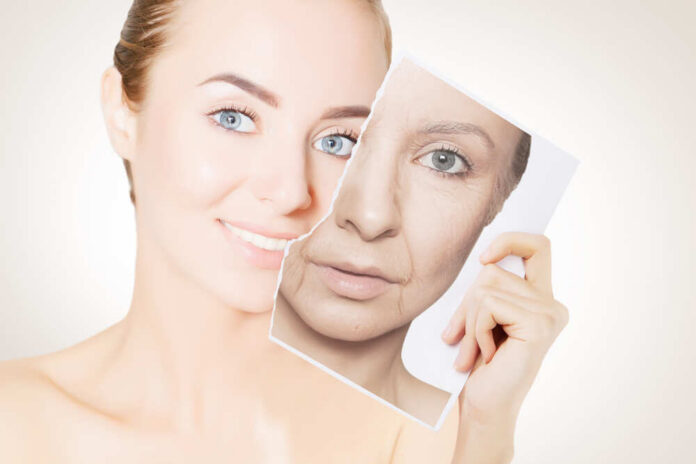
Scientists have reversed skin cell aging by thirty years, and you probably never heard about it.
Story Snapshot
- Multiple independent labs have demonstrated measurable reversal of biological aging in skin cells through distinct mechanisms
- Boston University researchers achieved 80% wound healing in aged mice using topical treatment versus 56% in untreated controls
- Cambridge scientists reversed cellular age by 30 years while preserving cell function through partial genetic reprogramming
- Harvard’s mRNA therapy platform and OneSkin’s peptide treatment offer non-invasive approaches to skin rejuvenation
- Despite peer-reviewed validation, none of these breakthrough therapies have completed human clinical trials
The Science Nobody’s Talking About
Four separate research institutions have cracked different pieces of the skin aging puzzle, yet the story remains confined to academic journals. The Babraham Institute in Cambridge developed a technique that rewinds the biological clock of skin cells by three decades without erasing their specialized function. Boston University repurposed a cancer drug to eliminate damaged cells that sabotage healing. Harvard adapted COVID vaccine technology into a skin therapy delivered through tiny needles. OneSkin spent seven years validating a peptide that demonstrably reduces biological age markers. Each approach works through entirely different mechanisms, yet all achieve the same astonishing result: measurable reversal of cellular aging.
When Your Body Forgets How to Heal
The Boston University discovery addresses a problem that plagues surgical patients and diabetics: aged skin that refuses to close wounds. Researchers applied ABT-263, originally designed to fight cancer, topically to aged mouse skin. The drug selectively eliminates senescent cells, those metabolic troublemakers that accumulate with age and actively block healing. By day 24, treated mice showed 80% wound closure compared to 56% in controls. The topical application sidesteps the blood-related side effects that plagued oral versions of senolytic drugs, potentially opening a fast track to clinical use for post-surgical recovery and chronic wound management.
Reprogramming Cells Without Breaking Them
The Cambridge breakthrough solved a problem that stumped researchers for years. Yamanaka factors can reprogram adult cells back to embryonic-like states, but the process erased what made skin cells actually function as skin. The Babraham Institute discovered that brief, partial reprogramming resets the aging clock without destroying cell identity. Their maturation phase transient reprogramming reversed molecular age markers by approximately 30 years in human fibroblasts. More importantly, the rejuvenated cells performed better, migrating faster to wound sites and producing more collagen than their aged counterparts. The technique validates that aging is not a one-way street but a modifiable biological process.
mRNA Technology Beyond Vaccines
Harvard’s Wyss Institute took the same mRNA platform that enabled rapid COVID vaccine development and redirected it toward skin regeneration. GeneSkin delivers therapeutic genes directly to skin cells through dissolvable microneedles, avoiding systemic exposure and its associated risks. Preclinical results show significant reduction in cellular aging markers, enhanced collagen production in human skin samples, and improved scar healing in animal models. The non-invasive delivery method represents a critical innovation because it concentrates therapeutic effects where needed while minimizing whole-body impact. Researchers emphasize this approach could extend beyond cosmetics to treating burns, surgical scars, and potentially systemic age-related diseases.
The Peptide That Passed Peer Review
OneSkin’s OS-01 peptide took a different path to validation. After seven years of research, the biotech company published findings in NPJ Aging demonstrating their peptide reduces biological age markers in human skin models. Unlike genetic reprogramming or senolytic drugs, peptides work through simpler mechanisms that may ease regulatory approval. The published data shows measurable reduction in senescence burden, the accumulation of damaged cells that drive inflammation and dysfunction. OneSkin represents the commercial side of this research wave, translating academic discoveries into consumer products. Publishing peer-reviewed data rather than relying solely on marketing claims lends credibility often lacking in the anti-aging industry.
Why You Haven’t Heard About This
These discoveries share a common limitation: none have completed Phase 3 human clinical trials. The media gravitates toward FDA-approved treatments, not preclinical research. The mechanisms involve cellular reprogramming and senescent cell clearance, concepts that require explanation rather than soundbites. Biotech companies guard information during patent processes. Perhaps most significantly, the anti-aging field carries baggage from decades of overpromising and underdelivering. Yet the convergence of multiple independent validation pathways suggests something genuinely different. When Cambridge geneticists, Boston pharmacologists, Harvard bioengineers, and commercial researchers arrive at the same destination through different routes, dismissing it as hype becomes harder to justify.
What Happens Next
The timeline from laboratory bench to pharmacy shelf remains uncertain. Optimistic researchers suggest wound healing applications could emerge within two to three years, given the acute medical need and availability of topical delivery methods. More cautious voices emphasize the necessity of long-term human safety data before widespread adoption. Regulatory pathways for cellular reprogramming therapies remain undefined, potentially delaying clinical access regardless of efficacy. The technology might first appear in wound care centers for diabetic ulcers and post-surgical patients before reaching the broader anti-aging market. Cambridge researchers hint at applications beyond skin to cardiovascular disease, neurodegeneration, and metabolic disorders, though evidence remains limited to skin tissue.
The Uncomfortable Questions
If treatments reach market, who gets access? Novel therapies typically launch at premium prices, potentially available only to wealthy patients while Medicare debates coverage. Healthcare systems must weigh potential savings from reduced complications against upfront treatment costs. The pharmaceutical industry faces decisions about whether to pursue mass-market aging treatments or niche wound care applications. Regulatory bodies confront frameworks designed for disease treatment applied to aging itself as a target. Most fundamentally, these discoveries force reconsideration of aging as inevitable decline versus modifiable biology. The science increasingly supports the latter view, regardless of whether society is prepared to act on that knowledge.
Sources:
Breakthrough Drug Reverses Aging in Skin, Speeds Up Healing – SciTechDaily
GeneSkin: A Novel mRNA Therapy for Skin and Hair Rejuvenation – Harvard Wyss Institute
Turn Back the Clock 30 Years: The Cambridge Skin Cell Breakthrough – The Beiruter
New Technique Rewinds Age of Skin Cells by 30 Years – Babraham Institute
Scientists Identify How Young Blood Reverses Aging in Human Skin Cells – ScienceAlert